Communication Beyond Words:
Why Non-Verbal Communication Matters
When most of us think about communication, what comes to mind immediately is talking. Words, sentences, conversations. What we often overlook, and what makes up some of the most powerful communication we use daily, is something that has nothing to do with words at all.
What is Social Communication?
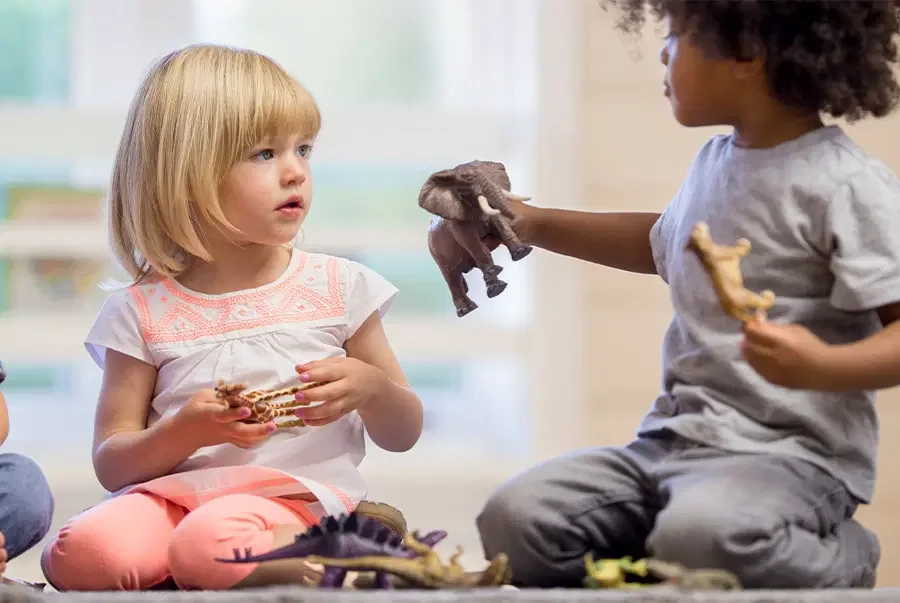
Social communication (or what we would call pragmatics) is the way we use language and everything beyond language to connect with others. This can include the words we use, but extends more broadly to how we use our face, our body, timing and attentiveness to show that we are present, engaged and interested in others.
Some non-verbal components of communication include:
Eye contact - looking at someone to show we are listening, to share a moment, or to signal it is their turn to speak
Facial expression - conveying emotion, interest, or understanding without a single word
Gesture - pointing, waving, nodding, reaching
Body language - the way we orient ourselves toward or away from someone, signalling discomfort or openness
Timing and turn-taking - knowing when to speak, when to listen, and how to hold a conversation without talking over one another
Tone of voice - altering the way we speak to reflect intention or emotions, and understanding that the same words can mean entirely different things depending on how they are said
It is important to note that expectations and norms around non-verbal communication can differ across cultures. For example, in some cultures, sustained eye contact may be considered disrespectful or inappropriate, rather than a sign of engagement or attentiveness. What matters most is not whether a person meets a westernised standard of social communication, but whether they have the tools to connect meaningfully within their own community and context.
Why It Matters So Much
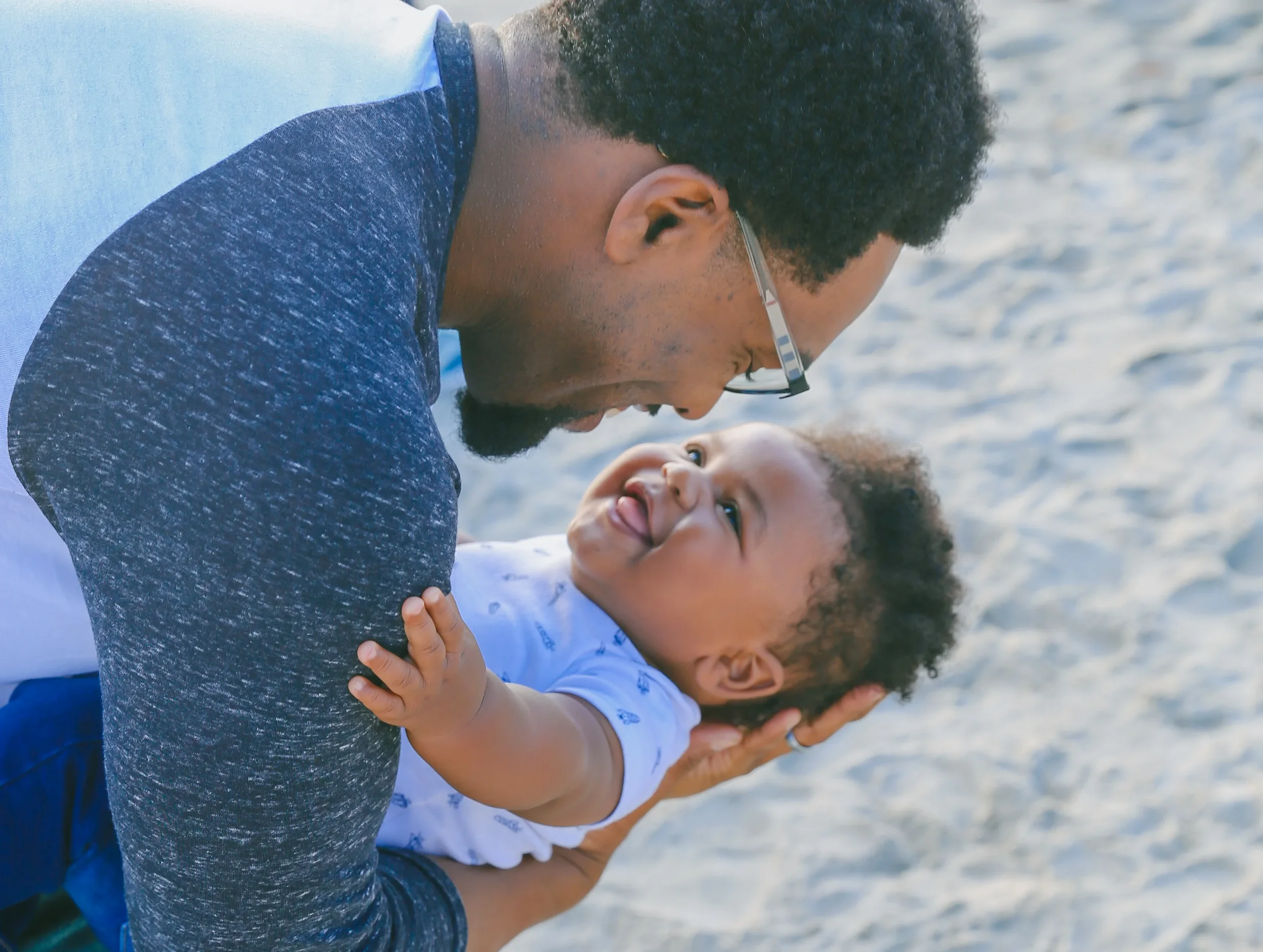
Long before a child says their first word, they are already communicating. Social communication skills are among the first indicators of a child's development, with some non-verbal skills emerging as young as six months of age. These milestones form a foundation upon which all subsequent communication is built, verbal and non-verbal alike.
Strong social communication skills support us across every stage of life. For young children, they are the first tools used for learning how to engage with the world around them. As children grow, these skills underpin their ability to express needs, engage in play, and begin to navigate the back-and-forth of early friendships. From there, non-verbal communication quickly becomes the foundation for more complex social participation. In the classroom, it helps children read social cues from peers and teachers, take turns in conversation, and understand the unspoken rules that govern how we relate to one another. These skills also support conflict navigation, allowing us to read when someone is upset, knowing when to step back and understanding subtleties in body positioning, facial expressions or tone.
As children grow into adolescence and adulthood, these skills deepen into even more nuanced social empathy skills. This is what allows us to understand others' emotions, intentions, and perspectives, and to respond in ways that are meaningful and appropriate.
When Social Communication Is a Challenge
For some, social communication does not come naturally, even when other areas of language are strong. A child can have an extensive vocabulary, construct beautiful sentences and be able to comprehend complex information, yet still find it difficult to know how to use these skills in a social context.
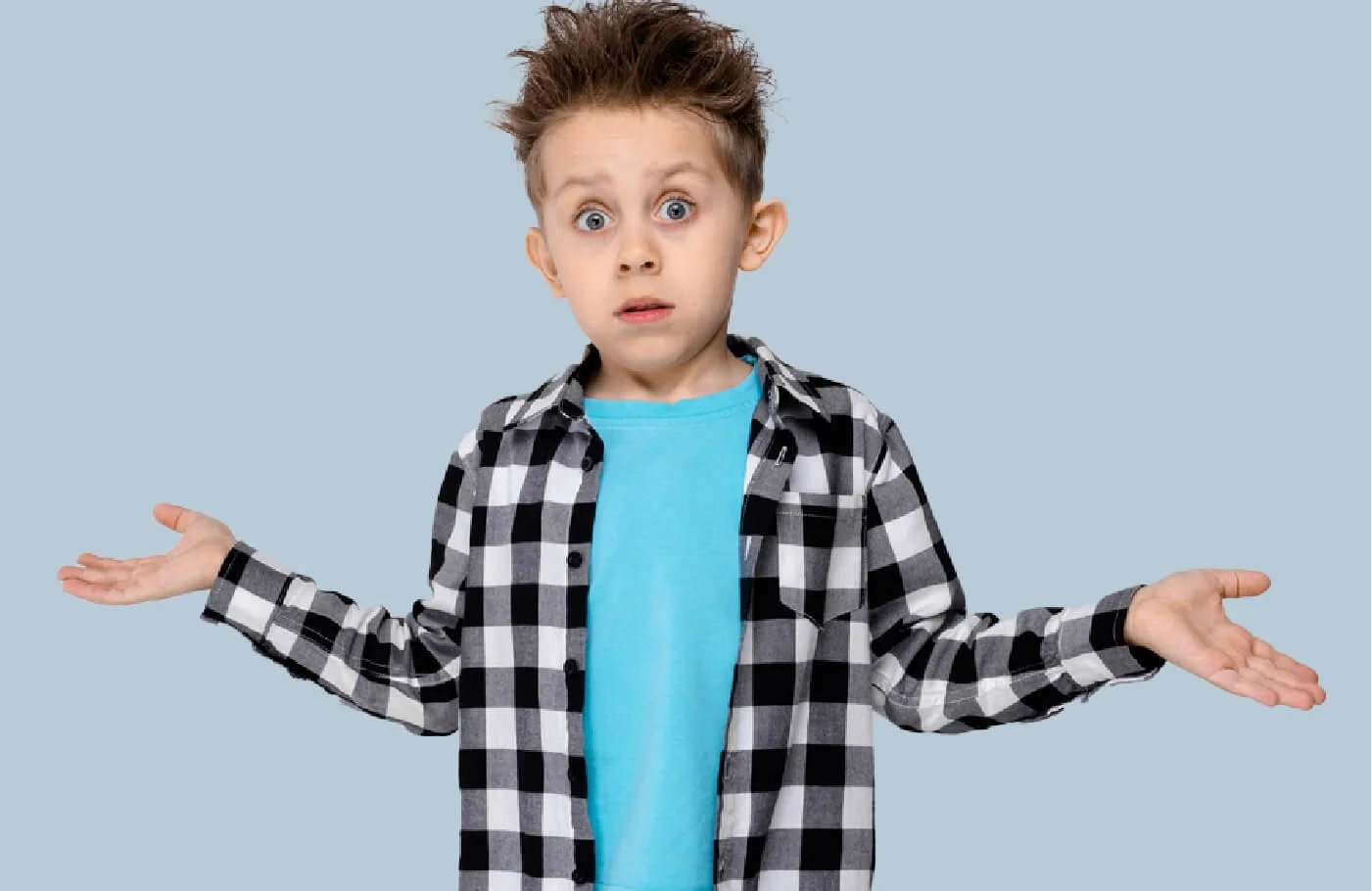
Social communication difficulties can look quite different from person to person. It could look like someone talking at length about a topic they love without noticing that their listener has disengaged. It may be someone who struggles to initiate a conversation or does not know how to join one already in progress. They might find it difficult to read facial expressions, pick up on sarcasm or humour, or understand that the same words can mean entirely different things depending on tone and context. They might say something that unintentionally upsets a peer, without understanding why. For children in particular, these challenges are often misunderstood by the people around them, and the impact on their ability to build connections can be isolating and challenging in itself.
For children who are non-verbal or minimally verbal, including many children with Autism Spectrum Disorder, children who are deaf or hard of hearing, and children with complex communication needs, non-verbal communication is not just a supplementary skill that accompanies verbal language, but a primary one. It is often their most direct and immediate route to connection, and investing in its development is imperative, not as a workaround for verbal language, but as a valid and powerful communication system in its own right.
There is also a profound link between social communication difficulties and emotional regulation. For many children, distress and dysregulation are not simply behavioural responses but rather a form of communication in themselves. A meltdown, a withdrawal or a moment of intense frustration is often a child's only way of expressing something complex that they do not yet have the tools to convey any other way. This is why building a reliable and functional communication pathway is so important. When a child is given a consistent means to properly connect and communicate their needs, feelings, and intentions - whether through gesture, eye contact, facial expression, AAC, or any other means - the need to communicate through distress and behaviour naturally begins to reduce (ASHA, n.d.).
What Does Working On This Look Like?
We want to share a client story that we feel perfectly reflects the kind of progress that happens when you invest in teaching and building social communication skills through consistent and explicit practice. A young boy, diagnosed with Autism Spectrum Disorder, came to us with significant social communication challenges. He enjoyed playing and clearly wanted to connect, but did not yet have the tools to know how to start a conversation, how to take turns, how to invite someone into play, how to respond to a question or when to ask one back, or how to show someone with his eyes and body that he was listening.
We started by introducing a structured greetings routine, supported by visual prompts and pictures to guide the sequence of a conversation. For this child, none of these skills came naturally. Every single step was explicitly taught, broken down, practised, and celebrated. We used a PowerPoint to clearly indicate when it was someone’s turn to respond, initiate or ask a return question. We practised it every session, played with it, added to it, changed characters and adjusted the context as he grew more confident. We worked on timing, on looking up at the right moment, and on what it feels and looks like to really listen to someone. Almost a year later, with consistent exposure and practice, he’s started applying these skills in a meaningful and functional way beyond our clinic.
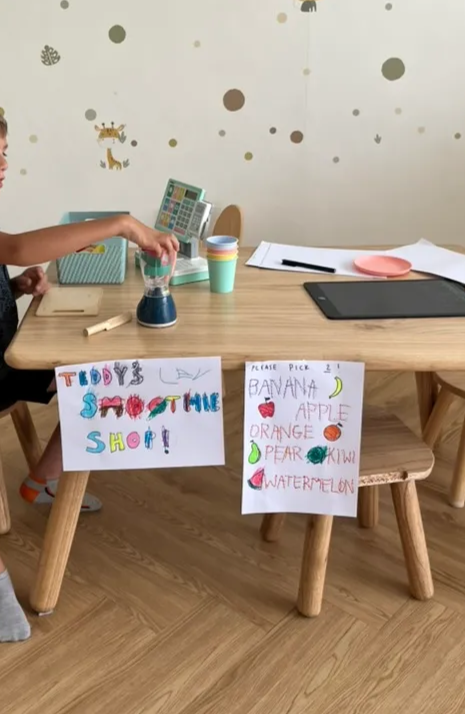
Last week, we decided to put everything he has learned into practice in a role-play scenario. Together we created a little smoothie shop - complete with a custom menu - and a safe space to start exploring what these conversations might look like in the real-world. We lined up all of the plushies we could find and set them up as customers. He was able to walk into the café, greet the “person” behind the counter, ask what flavours were available, make small talk while he waited, pay, and say goodbye, all within a full and functional back and forth conversation. He can read when it is his turn to speak. He knows how to show someone he is listening. And he is proud of it!
With the right support, the right tools, and a little bit of creativity, every child can find their way to connection. Reach out to us via our booking form or WhatsApp if you have any questions. We are always happy to chat.