When It’s More Than a Language Delay: Early Signs of ASD

As speech therapists, one of the most common referrals we receive is for toddlers who aren't yet talking as expected. Wondering whether your child's communication is on track is one of the most natural things a parent can do, so when it seems your toddler isn’t quite talking as expected yet, it can raise a lot of questions. For many children, a language delay is exactly that: a delay that, with the right support, resolves beautifully. But sometimes, during an assessment, we notice patterns that go beyond speech and language alone by observing how a child connects, communicates, and engages with the world around them.
This blog post is intended for families who may be wondering whether their child’s communication difficulties are part of something bigger or for anyone who wants to better understand Autism Spectrum Disorder (ASD). We will explore what it looks like in very young children, how ASD affects communication and why early identification and intervention can make such a meaningful difference.
What is Autism Spectrum Disorder?
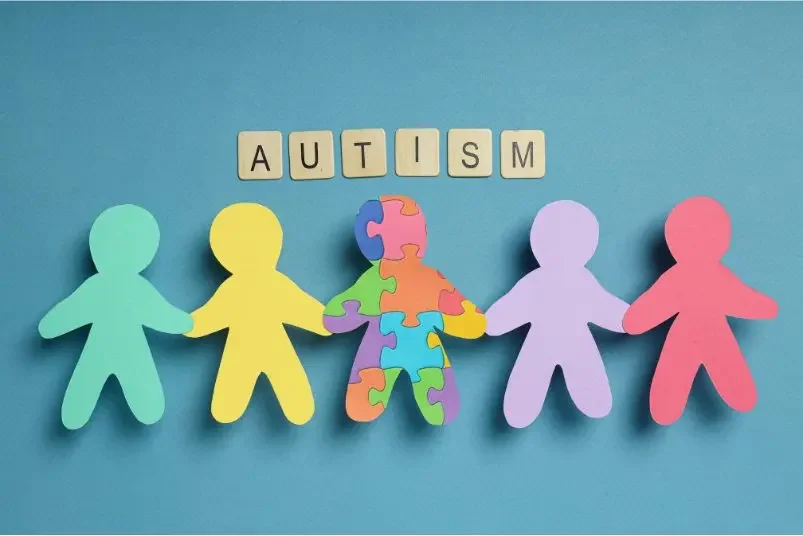
Autism Spectrum Disorder (ASD) is a neurodevelopmental disability that affects the way that people communicate, process information and interact with the world (Royal Children's Hospital, 2021). ASD presents in a wide range of ways, depending on age and a child’s other abilities. It is described as a 'spectrum' because no two autistic children are exactly alike. Despite some shared patterns, ASD presents differently for different people, with each child presenting with varying combinations of strengths and challenges. These can look quite different depending on the context, the environment, and who they're with. It is also important to note that ASD is not caused by parenting style, diet, or, importantly for many of our families, by growing up in a multilingual home.
ASD is typically diagnosed by a multidisciplinary team, which may include a developmental paediatrician, psychologist, and speech-language pathologist. As speech therapists, we are often one of the first professionals a family sees and while we don’t diagnose ASD, we can assist in identifying early signs and supporting families through the next steps. We also play a role in something called differential diagnosis which means looking at the full picture of how a child communicates and connects, to help determine whether what we're seeing is just a language delay, signs of ASD, or a combination of both

How does ASD affect communication?
Communication is a key domain affected by ASD, but this goes far beyond whether a child is speaking or not, encompassing the non-verbal, social and pragmatic aspects of communication. These broader aspects of communication are generally how we can differentiate a language delay from ASD. It is also worth noting that some children with ASD are very verbal, but still find it difficult to use language to connect socially or hold a back-and-forth conversation despite having an adequate vocabulary.
Early indicators: what to look out for
The following signs, particularly when seen together, may indicate that a child’s development warrants further assessment. Noticing one or two of these in isolation does not automatically mean a child has ASD but if several are present or if you have an instinct that something is different, it’s always worth seeking a professional opinion.
Social communication
Not responding consistently to their name by 12 months
Limited or absent pointing - i.e. not yet pointing to request things (e.g. pointing to a cookie they want) or to share interest (e.g. pointing to a plane in the sky)
Limited joint attention - i.e., not looking back at you to share excitement about something
Reduced eye contact or eye gaze focused on objects rather than people
Not using social gestures such as waving bye-bye by 12 months
Limited smiling in response to others
Little interest in other children or in social games like peek-a-boo
Language & Communication
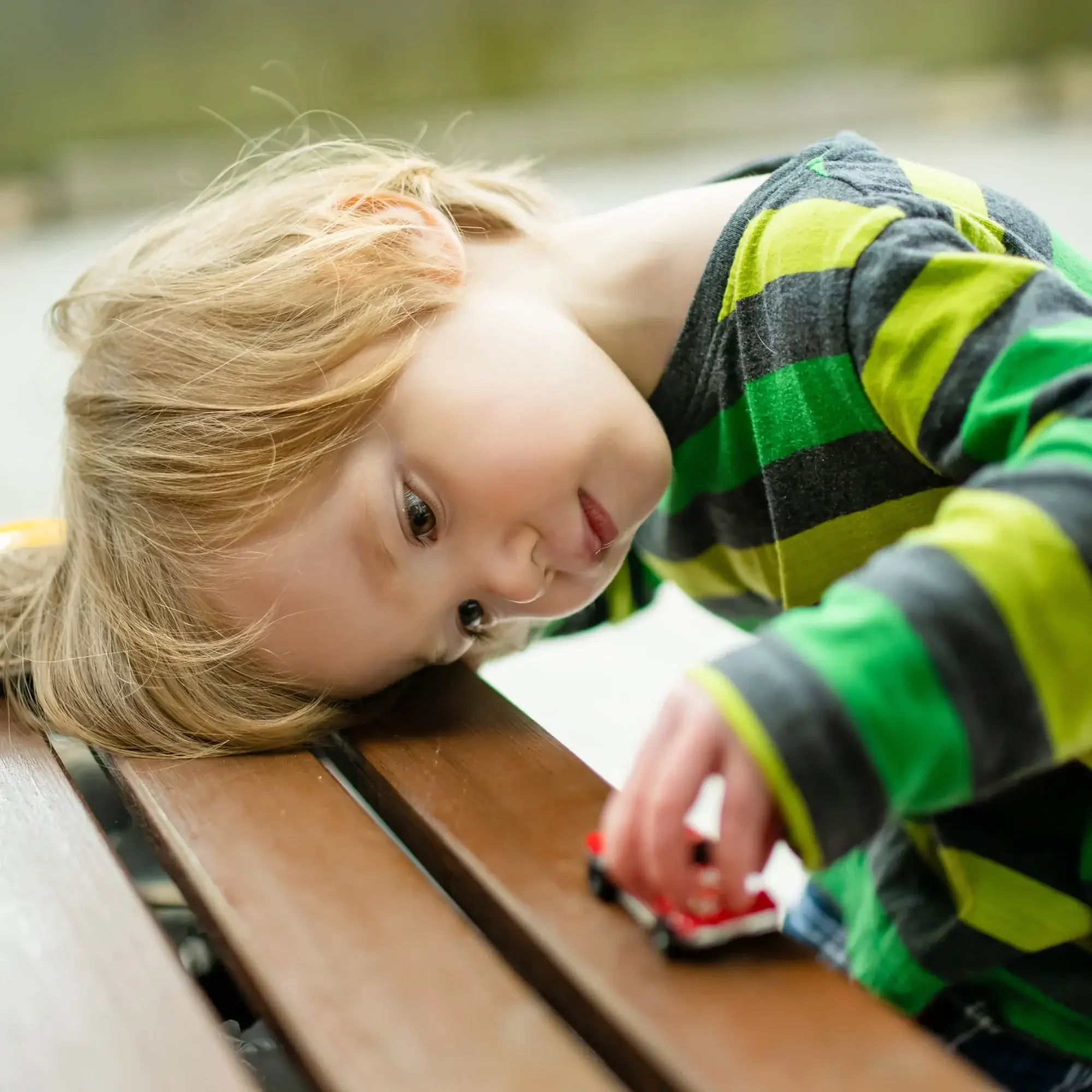
Not reaching early language milestones (e.g., no single words by 12 months, or no two-word combinations by 24 months)
Loss of previously acquired language or social skills at any age. For example, a child who was using and learning words but then stopped using them. This is an important red flag and should always be followed up
Using words or phrases in a repetitive or scripted way (e.g. repeating lines from shows or songs)
Language that is present but not used to communicate or connect with others
Behaviour and Play
Repetitive movements such as hand-flapping, rocking, spinning, or frequent toe-walking
Strong attachment to specific routines or objects, with significant distress when these change
Heightened sensory responses such as being very sensitive to sounds, textures, or lights, or seeking out intense sensory input. This could also present as preferences or aversions during mealtimes
Lining up objects or playing with toys in repetitive, non-functional ways rather than exploring play with imagination
Narrow or intense interests that dominate play
Why early intervention matters: next steps
The early years of a child's life represent a critical window for brain development. Research consistently shows that early intervention is the best way to support development and wellbeing for all children with communication difficulties and this is especially true for children with ASD. Those who receive early support have significantly better long-term outcomes across communication, social skills, and learning, with some children needing less support as they grow older (Raising Children Network, 2023).
For families in Bali, particularly those without easy access to large teams of specialists, a speech-language pathologist can be an important first point of contact. We can identify early signs, provide communication support, and help connect families with the right professionals for a full assessment and diagnosis. You do not need a formal diagnosis to begin speech therapy. If you have concerns about your child’s communication, we can start supporting your child right now.
If you’d like to discuss your child’s development or book an assessment, we’d love to hear from you. Reach out to us via our Book Now form or WhatsApp - we’re here to help!

References
Royal Children's Hospital Melbourne. (2021, December). Autism spectrum disorder. Kids Health Info. https://www.rch.org.au/kidsinfo/fact_sheets/Autism_spectrum_disorder/
Speech Pathology Australia. (2021, May). Interventions for children on the autism spectrum: Submission to the NDIA. https://www.speechpathologyaustralia.org.au/Common/Uploaded files/Smart Suite/Smart Library/eb6bd796-0d51-422a-93e3-d48d214252b9/SPA_ Submission_NDIA_Autism.pdf
Raising Children Network. (2023). Early intervention for children with disability, autism or ADHD. https://raisingchildren.net.au/autism/therapies-services/therapies-interventions/early-intervention